Guide
What is a biogas plant?
A biogas plant turns organic material, like livestock manure, into a renewable gas called biogas. That gas can heat buildings, generate electricity, or be cleaned up into biomethane. Here's how it all works, in plain language.
A biogas plant in one sentence
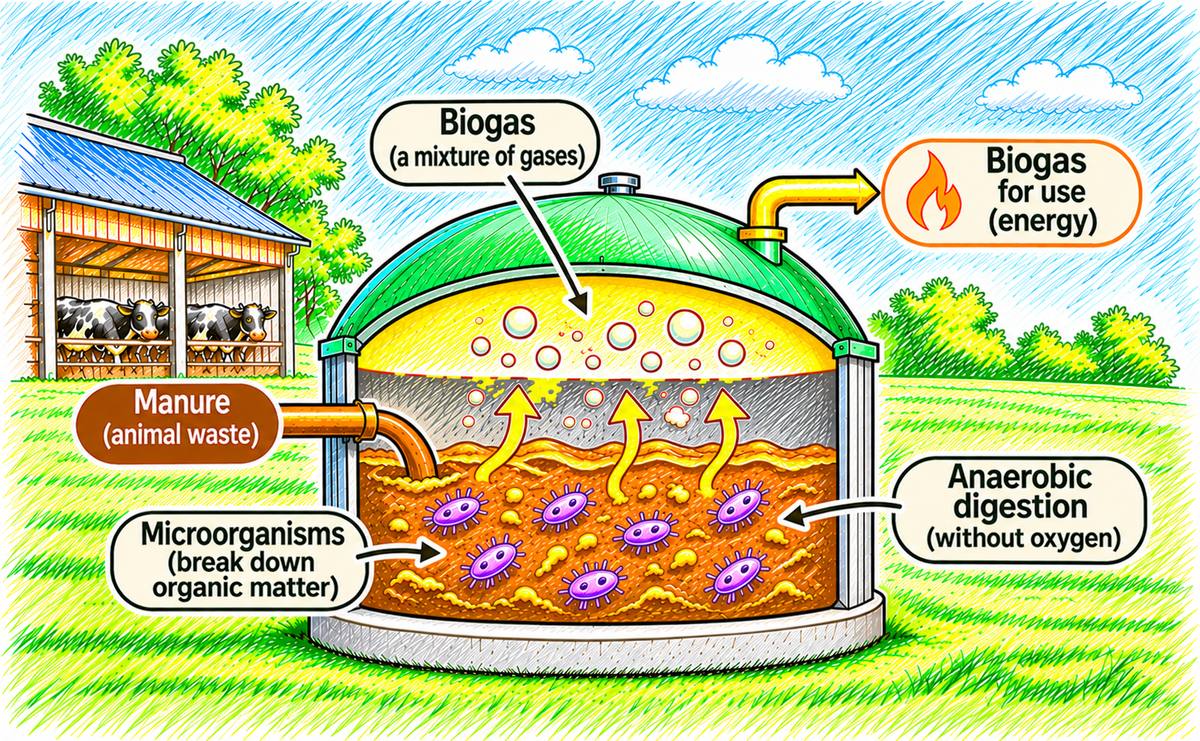
A biogas plant is a sealed system where natural bacteria break down organic material without oxygen and release a gas you can use as fuel.
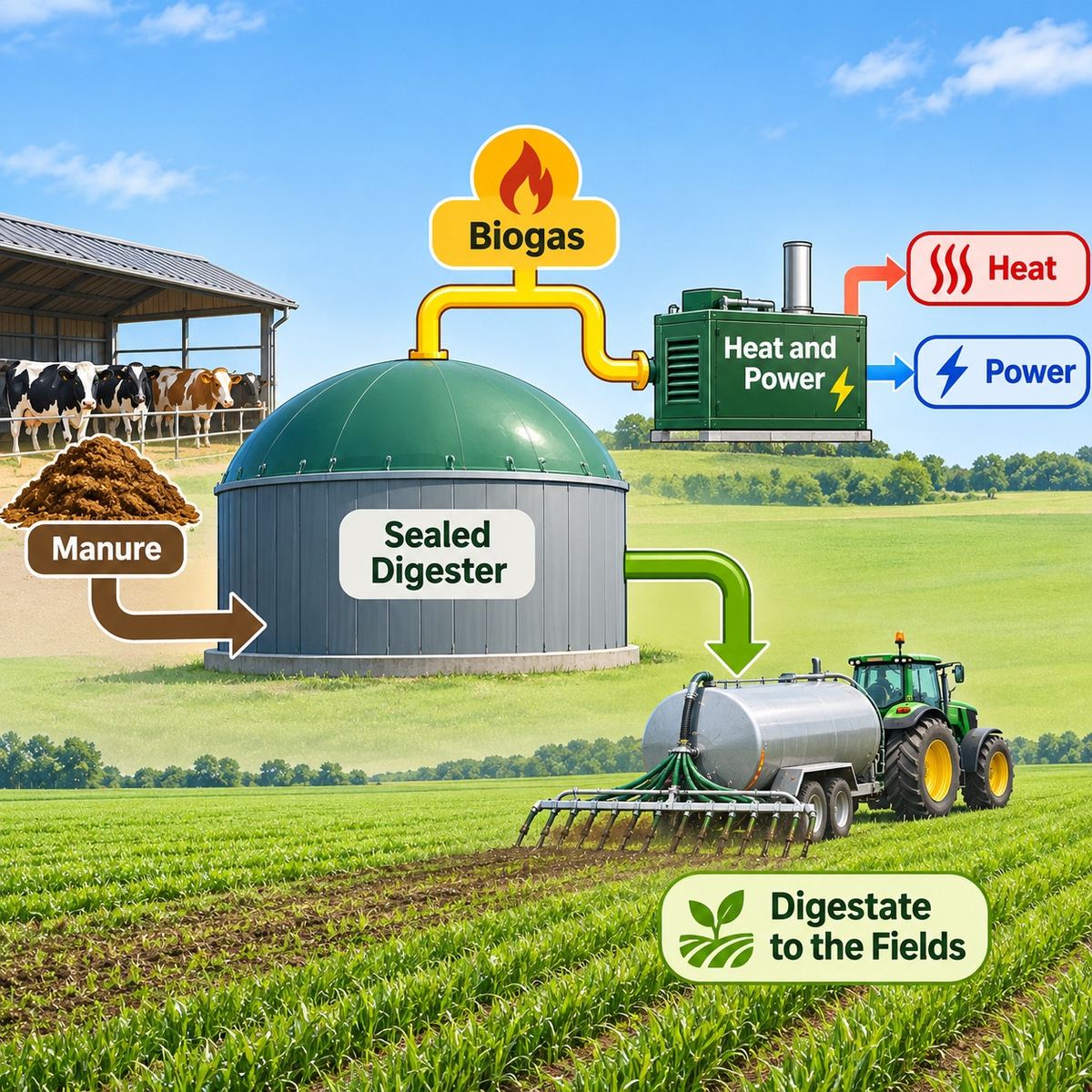
Most plants have the same basic parts:
- A pre-storage tank, where manure and other material are collected
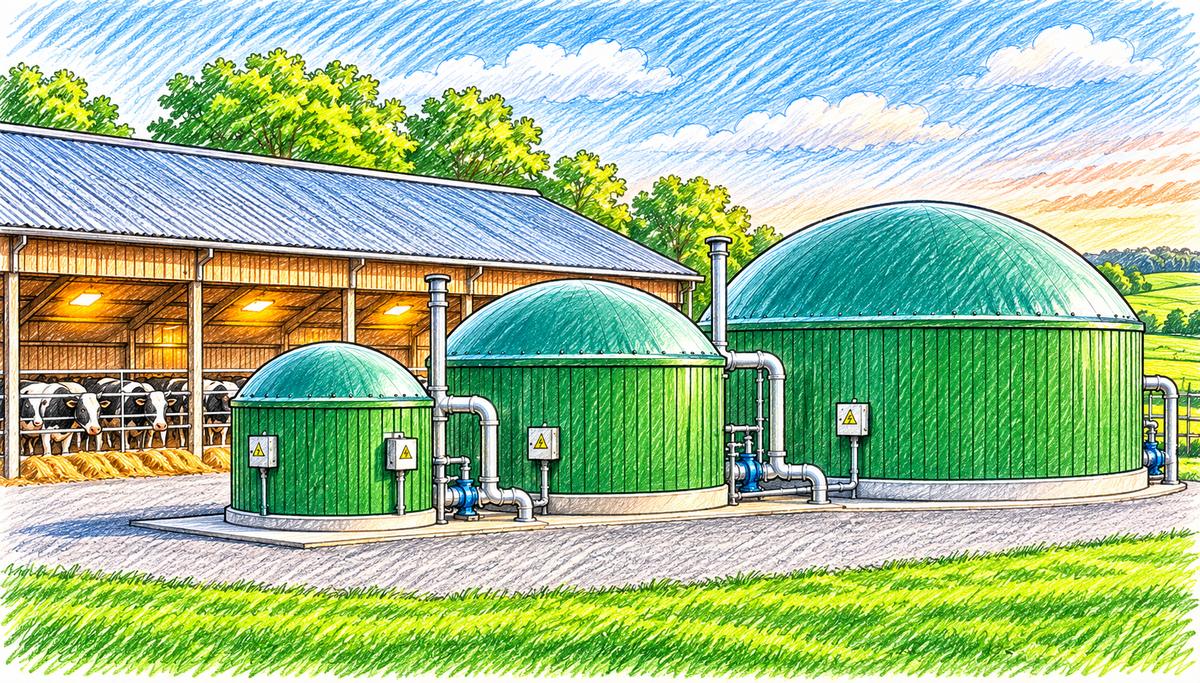
- A digester (also called a biogas digester or anaerobic digester), the sealed tank where the gas is made
- Gas storage, often a flexible dome on top of the digester
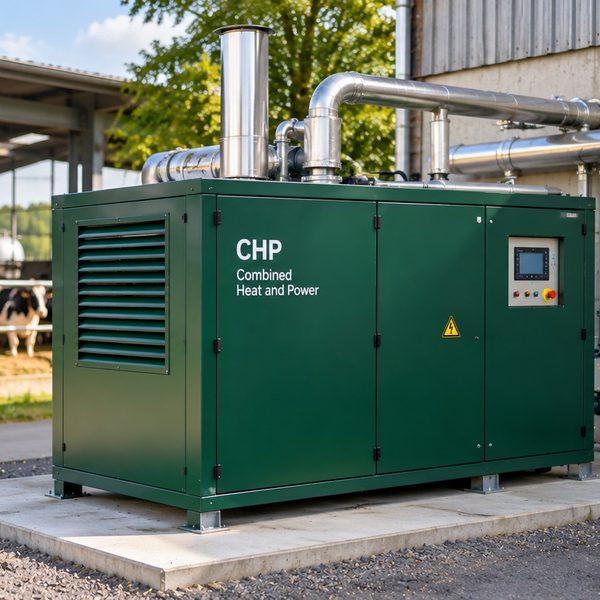
- A boiler or a combined heat and power unit, which turns the gas into energy
- Digestate storage, for what's left at the end
What is biogas?
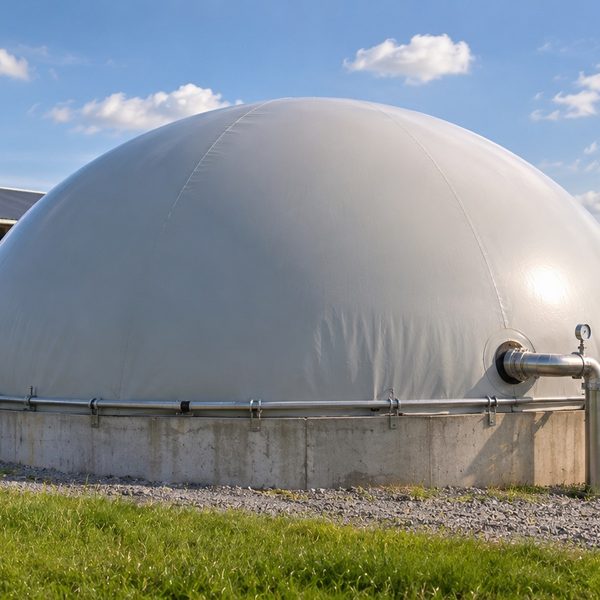
Biogas is a mix of gases produced when organic material breaks down without oxygen. Most of it is methane, the part that burns and carries the energy, and most of the rest is carbon dioxide, with small amounts of other gases. Methane is also the main component of natural gas. The difference is that biogas comes from renewable sources like manure, rather than from fossil reserves.
What can go into a biogas plant?
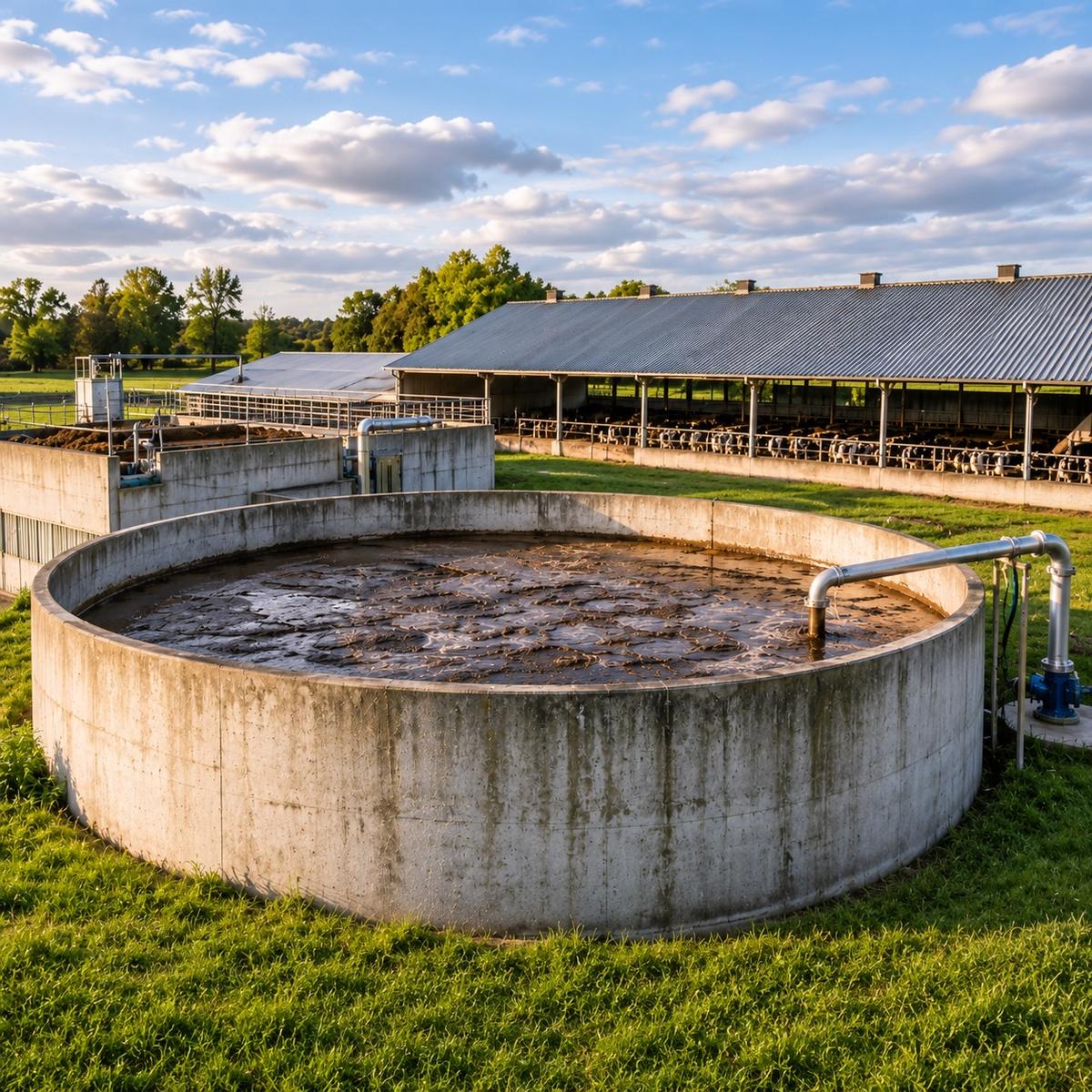
On a farm, manure and slurry are usually the base. Many plants also use:
- Crop residues and silage
- Feed leftovers
- Food and processing waste, where allowed
Different materials produce different amounts of gas, and mixing them changes how the plant behaves. Woody material, plastics and stones don't belong in a digester.
What is biogas used for?
- Heat for barns, houses, dryers or hot water
- Electricity, using a combined heat and power unit that produces both at once
- Both at the same time, which makes the best use of the gas
- Biomethane, by cleaning the gas further (see below)
On a farm, using the energy yourself is often where the value is.
What is biomethane?
Biomethane is biogas that has been cleaned, or “upgraded”, by removing the carbon dioxide and other impurities until it's almost pure methane. At that point it can do the same jobs as natural gas: it can be fed into the gas grid where a connection exists, or used as vehicle fuel. Upgrading adds cost and equipment, so it usually makes most sense for larger plants.
What is digestate?
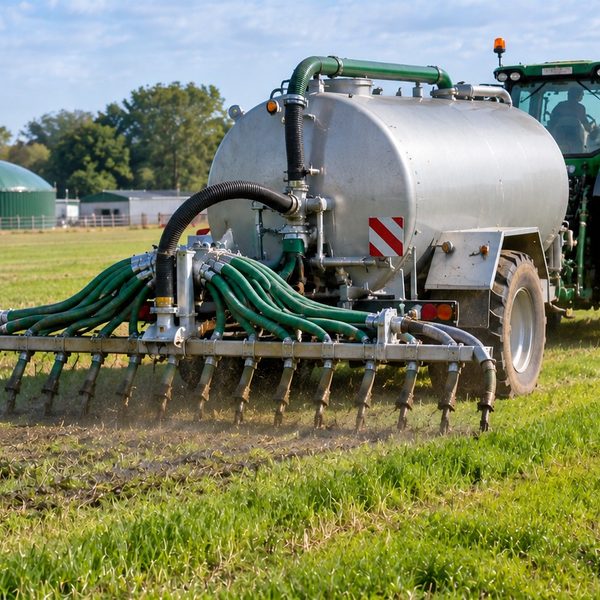
Digestate is what's left after digestion. It keeps much of the nutrient value of the original material, so it can be spread on fields as a fertiliser, within the rules that apply where you farm. On many farms, that turns a storage problem into something useful.
Types of biogas plants
| Compared | Micro and home plants | Farm biogas plants | Central biogas plants |
|---|---|---|---|
| Who it's for | Small farms and households | A single farm using its own manure | Many farms and other suppliers |
| Typical size | Small, often container systems | Sized to one farm's feedstock | Large, industrial scale |
| Where the energy goes | Mostly used on site | Often used on the farm | Often sold to the grid or as biomethane |
Thinking about one for your farm? Read our guide to farm biogas plants.
Could a biogas plant work on my farm?
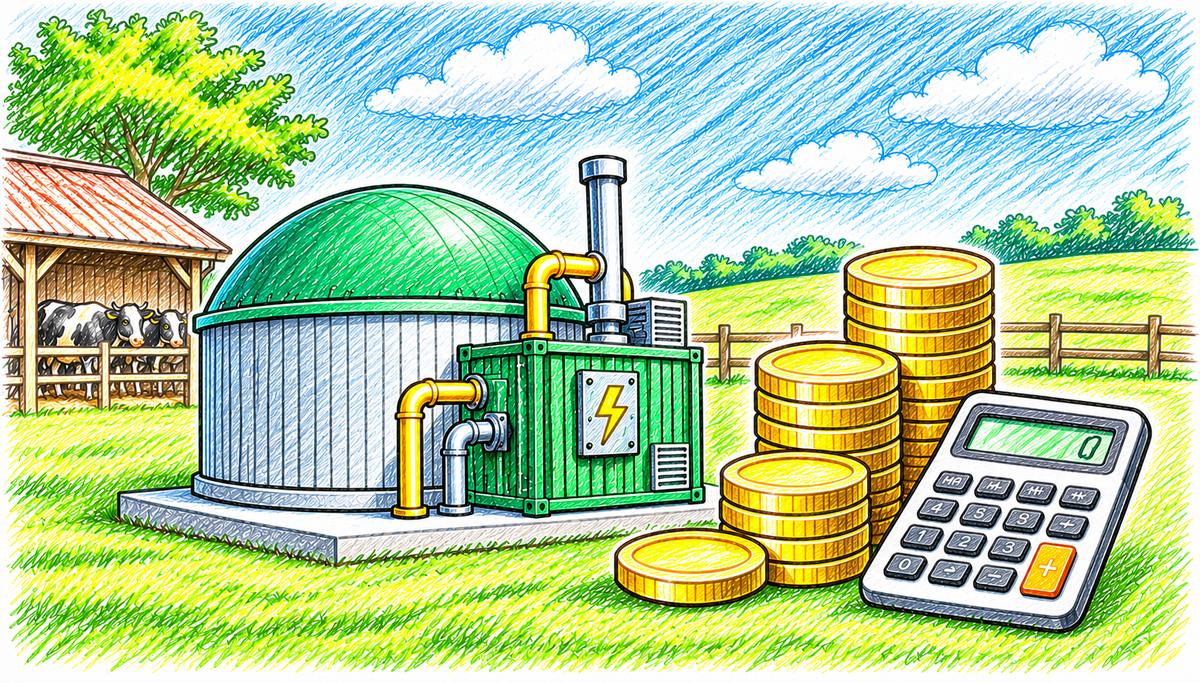
It depends on a few things: how much manure you have and what type, how much heat and power you use, the space on site, and what it would cost to build and run. Not every farm is a good fit, and that's worth knowing early. Our free initial review is built to answer exactly that question.